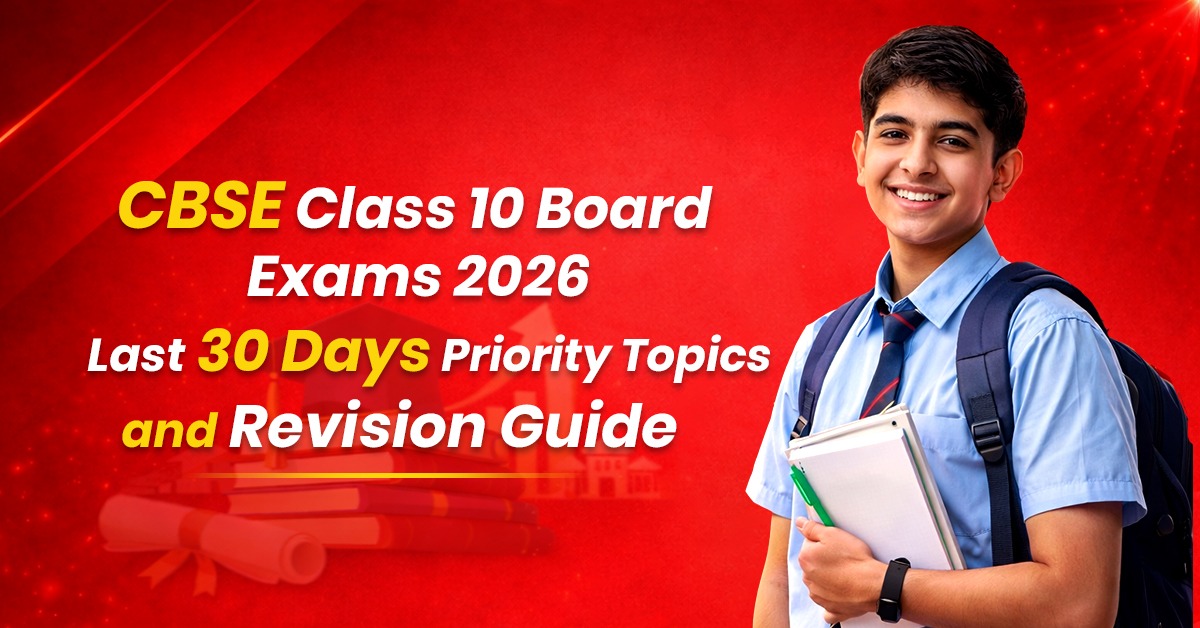




A comprehensive resource for Class 10 and 12 students preparing for the Central Board of Secondary Education board examinations
Table of Contents
- Important Dates and Timeline
- Exam Timetable and Schedule
- Admit Card Download Process
- Exam Guidelines and Rules
- Exam Difficulty Predictor
- Preparation Strategy
- Revision Techniques
- Mental Preparation and Wellness
- Steps Before and During Exams
- Final Checklist
- Important Dates and Timeline
Key Dates for CBSE 2026
Date Sheet Release: October 30, 2025
Practical Examinations: January 2026
Theory Examinations Commencement: February 17, 2026
Class 10 Phase 1 (Main Examination): February 17 to March 11, 2026
Class 10 Phase 2 (Improvement/Compartment): May 15 to June 1, 2026
Class 12 Examinations: February 17 to April 10, 2026
Admit Card Release: First week of February 2026 (expected)
Supplementary Examinations: July 2026
Result Declaration: May-June 2026 (tentative)
What This Timeline Means
The board has implemented a two-phase examination system for Class 10, allowing students to improve their scores if desired. Practical examinations have already concluded in January 2026, so students must ensure their internal marks are finalized. The main focus should now be on preparing for theory examinations beginning February 17.
- Exam Timetable and Schedule
General Exam Timing
- Reporting Time: 30-45 minutes before exam start
- Exam Start Time: 10:30 AM
- Duration: 2 to 3 hours (varies by subject)
- Format: Pen-and-paper (offline mode)
Class 10 Phase 1 Timetable (February 17 – March 11, 2026)
| Subject | Date | Duration | Marks |
| Mathematics Standard/Basic | February 17 | 3 hours | 80 |
| English | February 21 | 3 hours | 80 |
| Science | February 25 | 3 hours | 80 |
| Social Science | March 7 | 3 hours | 80 |
| Hindi (A/B) | Subject to schedule | 3 hours | 80 |
| Elective Subjects | Dates as per schedule | 2-3 hours | 80-100 |
Note: Exact dates for all subjects are available on cbse.gov.in. Download the official PDF for complete details.
Class 12 Timetable (February 17 – April 10, 2026)
| Subject | Date | Duration | Marks |
| Physics | February 20 | 3 hours | 70 |
| Accountancy | February 24 | 3 hours | 80 |
| Mathematics | March 9 | 3 hours | 80 |
| Business Studies | March 28 | 3 hours | 80 |
| English | February 21-23 | 3 hours | 100 |
| Chemistry | February 27 | 3 hours | 70 |
| Biology | March 3 | 3 hours | 70 |
Note: Timing is staggered to ensure no two major subjects are scheduled on the same day. All examinations start at 10:30 AM sharp.
Exam Structure
- Reading Time: 15 minutes provided before exam to read question paper
- Actual Writing Time: Remaining time from the total 2-3 hours
- Question Paper Pattern: Competency-based questions with varying difficulty levels
- Internal Assessment: 20 marks included (practicals, projects, assignments)
- Theory Marks: 80 marks for most subjects
- Admit Card Download Process
For Regular School Students
- Contact Your School: Obtain admit card from school administrative office
- Collection Timing: Usually distributed 1-2 weeks before exam
- Verification: Verify all details (name, roll number, subjects, exam center, timing)
- Document Carrying: Keep the admit card safe in a transparent pouch
For Private Candidates
- Visit the official CBSE website: gov.in
- Look for the “Admit Card for Private Candidates” link on the homepage
- Click on the link for appropriate class (Class 10 or Class 12)
- Enter required details:
- Application number
- Year of examination
- Date of birth (in specified format)
- Verify the details displayed on screen for accuracy
- Download the admit card by clicking the download button
- Take 2-3 printed copies and keep them safe
Important Details on Admit Card
Your admit card contains:
- Roll number and registration number
- Full name and date of birth
- Subject codes and subject names
- Examination center name and code
- Exam date and timing for each subject
- Invigilator instructions and important guidelines
- QR code for verification
Pre-Exam Verification Checklist
Before exam day, verify:
- Your name is spelled correctly
- Roll number matches school records
- All registered subjects are listed
- Exam center location and address
- Exam date and start time (10:30 AM)
- No missing or incorrect information
- If any error, report to school/CBSE immediately
- Exam Guidelines and Rules
Before Entering the Exam Hall
- Arrive 30-45 minutes before exam start time
- Carry your original admit card
- Carry a valid government-issued ID (school ID, Aadhaar, or passport)
- Wear comfortable clothing appropriate to weather
- Avoid wearing accessories like watches, rings, or metal items
- Keep only essential items with you
Allowed Items in Exam Hall
- Original admit card
- Original ID proof
- Black/blue ballpoint pen (2-3 pens)
- HB pencil (for objective sections if applicable)
- Eraser (for pencil marks only)
- Ruler (for diagrams if needed)
- Calculator (where permitted by subject guidelines)
- Transparent water bottle
- Transparent pouch (for storing allowed items)
Strictly Prohibited Items
- Mobile phones or electronic devices (even switched off)
- Smartwatches or fitness bands
- Earphones or headphones
- Any notes, textbooks, or reference materials
- Calculators (unless permitted for specific subjects)
- Colored pens or markers
- Rough paper or scrap paper outside the booklet
- Any form of communication device
- Bags, backpacks, or large pouches
- Cheat sheets or any written material
Inside the Exam Hall
- Sit at the seat allotted to you as per the seating chart
- Place your admit card and ID on your desk for verification
- Follow the invigilator’s instructions without question
- Do not communicate with any other candidate
- Use the first 15 minutes reading time to understand the question paper
- Raise your hand if you need assistance or have questions
- Attempt questions you are confident about first
- Manage time wisely to ensure you attempt all sections
- Do not leave your seat without permission
- Do not make any marks or writing outside the answer booklet
Exam Completion
- Do not leave the hall before the allotted time (unless permitted by invigilator)
- Submit your answer sheet, rough work, and question paper on time
- Do not tamper with any document
- Collect your admit card after submission
Important Rules and Regulations
Minimum Attendance: You must have at least 75% attendance in school throughout the academic year to be eligible for board exams.
Conduct: Any form of malpractice, cheating, or misconduct will result in:
- Immediate expulsion from exam
- Subject marked as ‘ZERO’
- Suspension from future examinations
- Legal action as per board guidelines
Fair Conduct: The board has strict surveillance through invigilators and CCTV cameras to ensure fair examination.
- Exam Difficulty Predictor
Understanding Exam Difficulty
CBSE exams are designed to assess competency and application of concepts rather than rote memorization. The difficulty level typically follows this pattern:
Section A (Easy – 20% of paper):
- Direct questions from NCERT
- Basic factual knowledge
- Simple single-word or short answers
- These questions build confidence
Section B (Moderate – 50% of paper):
- Application of concepts
- Connecting related topics
- Moderate-length answers requiring explanation
- These questions differentiate average from good students
Section C (Challenging – 30% of paper):
- Analysis and evaluation
- Multi-step problem solving
- Case studies and real-world applications
- These questions differentiate good from excellent students
Subject-Specific Difficulty Indicators
Mathematics:
- Problem-solving requires step-by-step logical progression
- Expect 2-3 difficult questions requiring deep conceptual understanding
- Numerical accuracy is critical
- Time management is crucial as calculations can be time-consuming
Science:
- Theory questions are straightforward if you know NCERT concepts
- Diagram-based questions require accurate labeling
- Numerical problems may be multi-step
- Practical knowledge from lab work helps
- Physics is typically more challenging than Chemistry or Biology
English:
- Reading comprehension is a major component
- Grammar questions test applied knowledge, not just rules
- Essay writing requires originality and coherence
- Literature questions value interpretation and critical thinking
- Communication skills are essential
Social Science:
- Requires memorization combined with understanding
- Map-based questions need accuracy
- Current events and historical context are important
- Source-based questions require analytical thinking
Hindi/Regional Languages:
- Grammar and composition questions demand accuracy
- Literature questions require memorization and interpretation
- Unseen passages test comprehension ability
- Writing quality (handwriting, expression) affects marks
How to Prepare for Different Difficulty Levels
For Easy Questions: Ensure you have read and understood all NCERT material thoroughly.
For Moderate Questions: Practice connecting concepts from different chapters and understand applications.
For Challenging Questions: Solve previous years’ papers, study case studies, and think critically about real-world applications.
- Preparation Strategy
Timeline-Based Preparation Plan
4 Months Before Exam (October-November):
- Complete syllabus coverage if not already done
- Make comprehensive notes from NCERT
- Organize notes by chapter and topic
- Start light revision of previously covered topics
3 Months Before Exam (December):
- Finish syllabus completion
- Begin topic-wise revision
- Start solving sample papers (untimed)
- Identify weak areas and topics needing extra focus
2 Months Before Exam (January):
- Complete practical examinations
- Revise 50% of the syllabus
- Solve 2-3 full-length sample papers weekly
- Start timed mock tests
1 Month Before Exam (February 1-16):
- Revise 75% of the syllabus
- Solve 3-4 full-length mock tests weekly
- Analyze errors and revisit weak topics
- Focus on high-weightage topics as per marking scheme
Final Week Before Exam:
- Quick revision of formulas, key points, important definitions
- Solve one mock test every alternate day
- Review your error log from previous tests
- Mental and physical preparation
- Organize all required documents (admit card, ID)
Subject-Wise Preparation Approach
Mathematics:
- Understand concepts and theorems first
- Practice a variety of problems from each chapter
- Focus on numerical accuracy
- Maintain a formula sheet for quick reference
- Allocate 4-6 hours weekly for practice
Science:
- Read NCERT thoroughly at least twice
- Create diagrams and label them accurately
- Understand the ‘why’ behind each concept
- Practice numerical problems from each chapter
- Allocate 4-5 hours weekly for study and practice
English:
- Read the prescribed texts at least twice completely
- Summarize each chapter in your own words
- Practice essay writing on various topics
- Work on reading comprehension passages
- Focus on grammar rules with examples
- Allocate 3-4 hours weekly
Social Science:
- Memorize important dates, names, and places
- Create mind maps for historical events
- Practice map-based questions
- Understand current events and their historical context
- Revise regularly to strengthen memory
- Allocate 3-4 hours weekly
Hindi/Regional Language:
- Read all prescribed literature multiple times
- Memorize important poems and passages
- Practice grammar exercises regularly
- Write essays and letters multiple times
- Focus on handwriting and presentation
- Allocate 3-4 hours weekly
Study Techniques for Effective Learning
The Pomodoro Technique:
- Study for 25 minutes focused work
- Take 5-minute break
- Repeat 4 times
- Take 15-30 minute longer break
- This maintains concentration and prevents fatigue
Active Recall:
- Read a concept once, then close the book
- Try to recall and write everything you remember
- Compare with the original material
- Repeat until you can recall 90% without notes
Spaced Repetition:
- Review material after 1 day, 3 days, 1 week, 2 weeks, 1 month
- This strengthens long-term memory
- Use flashcards or revision notes for this purpose
The Feynman Technique:
- Take a concept you want to understand
- Explain it in simple language to a 5-year-old (in your mind)
- Identify gaps in your explanation
- Simplify and use analogies where needed
- This ensures deep understanding
Group Study:
- Study in groups 1-2 times per week
- Discuss difficult concepts
- Teach concepts to each other
- But ensure most study is done individually
- Revision Techniques
High-Weightage Topic Prioritization
Every subject has a marking scheme that allocates marks to different chapters and topics. Prioritize based on:
- Topics carrying 3-4 marks (direct questions)
- Topics from multiple chapters (connecting questions)
- Topics that appear frequently in previous years’ papers
Example for Class 10 Science:
- Life Processes and Reproduction: High weightage
- Chemical Reactions: Moderate-High weightage
- Sound and Light: Moderate weightage
Revision Strategy Calendar
Week 1-2 of February: Revise Chapters 1-5 of all subjects
Week 3-4: Revise Chapters 6-10 of all subjects
Week 1-2 of March: Revise Chapters 11-15 of all subjects
Final Week: Quick review of high-weightage topics and formulas
Active Revision Techniques
Method 1: Short Notes Creation
- Create condensed notes (one page per chapter maximum)
- Use bullet points, flow charts, and diagrams
- Include formulas, key definitions, important dates
- These notes are perfect for last-minute revision
Method 2: Mind Mapping
- Start with the main topic in center
- Create branches for subtopics
- Add details as sub-branches
- Use colors for better memory retention
- Ideal for visual learners
Method 3: Concept Connections
- Identify how different chapters relate
- Create concept webs showing relationships
- This deepens understanding and helps with application questions
- Particularly useful for Social Science and Language subjects
Method 4: Previous Years’ Question Analysis
- Collect papers from last 5 years
- Mark questions by topic
- Identify patterns in question types
- Note any repeated concepts
- Focus on questions that appear frequently
Sample Paper Strategy
Weeks 1-3 (February): Solve 2 sample papers weekly (untimed, with breaks)
Weeks 4-6: Solve 3 sample papers weekly (timed conditions)
Final 2 Weeks: Solve 1 sample paper daily (exact exam time and conditions)
Analysis: After every paper, spend equal time analyzing:
- What did you get wrong and why?
- What could you have done better?
- How would you approach similar questions in future?
Common Revision Mistakes to Avoid
- Revising only easy chapters (cover all equally)
- Skipping diagrams and visual content (crucial for Science)
- Revising without solving questions (passive revision is ineffective)
- Starting revision too late (should begin 2 months before)
- Revising the night before exam (leads to confusion)
- Not revising high-weightage topics multiple times
- Relying on others’ notes instead of your own
- Mental Preparation and Wellness
Understanding Exam Stress
Exam stress is normal and affects most students. However, managing it effectively ensures it becomes motivating rather than debilitating. The key is recognizing stress signals early and applying coping strategies.
Stress Management Techniques
Mindfulness Meditation:
- Sit in a quiet place for 10 minutes daily
- Focus on your breathing
- When thoughts come, acknowledge them and let them pass
- This reduces anxiety and improves focus
- Practice: Morning before study or evening before sleep
Deep Breathing Exercise:
- Sit comfortably with spine straight
- Breathe in slowly through nose for count of 4
- Hold for count of 4
- Exhale slowly through mouth for count of 4
- Repeat 5-10 times
- Do this whenever you feel anxious or overwhelmed
Progressive Muscle Relaxation:
- Tense each muscle group for 5 seconds
- Then relax completely
- Move from toes to head, covering all muscle groups
- This reduces physical tension and mental stress
Positive Visualization:
- Close your eyes and imagine yourself taking the exam successfully
- Visualize yourself confident, focused, and answering questions well
- See yourself collecting your result with a smile
- Do this 5 minutes daily before bed
Physical Wellness for Mental Health
Sleep Schedule:
- Sleep 7-8 hours every night
- Go to bed at consistent time
- Avoid studying immediately before sleep
- Quality sleep improves memory consolidation and cognitive function
Nutrition:
- Eat balanced meals with proteins, carbohydrates, and healthy fats
- Include fruits and vegetables for vitamins and minerals
- Stay hydrated (drink 8-10 glasses of water daily)
- Avoid excessive caffeine or sugar
- Limit junk food, which can increase fatigue
Physical Activity:
- Exercise 30 minutes daily (walking, yoga, sports, dancing)
- Physical activity releases endorphins (happy chemicals)
- Improves sleep quality and reduces anxiety
- Enhances blood flow to the brain improving memory
Time in Nature:
- Spend 15-20 minutes daily in open air or natural light
- This regulates circadian rhythm and mood
- Particularly helpful in managing exam stress
Emotional Support and Communication
Talk About Your Feelings:
- Share your concerns with trusted friends or family
- Bottling up emotions increases stress
- Sometimes just expressing worries helps reduce them
Seek Professional Help:
- If stress becomes overwhelming, talk to school counselor
- CBSE mandates 1 counselor per 500 students
- Professional help is not a sign of weakness but wisdom
Join Peer Study Groups:
- Discussing with friends reduces isolation
- Group study makes learning enjoyable
- You learn from explaining to others
Positive Social Connections:
- Maintain friendships and normal social interactions
- Don’t isolate yourself completely for studies
- Balanced social life reduces exam pressure
Managing Negative Thoughts
Identify: Recognize when you’re thinking negatively (“I can’t do this”, “I’ll fail”)
Challenge: Question these thoughts (“Is this really true?”, “What evidence contradicts this?”)
Replace: Substitute with realistic, positive thoughts (“I’ve prepared well”, “I’ll do my best and that’s enough”)
Practice: This becomes easier with repetition
Creating a Supportive Environment
At Home:
- Communicate with family about your preparation schedule
- Ask them to minimize distractions during study hours
- Request their encouragement rather than pressure
- Ensure your study space is clean, organized, and well-lit
At School:
- Build positive relationships with teachers
- Attend extra classes or doubt-clearing sessions
- Participate in peer learning groups
- Maintain regular attendance
- Steps Before and During Exams
The Night Before Exam
Evening Routine (5-6 PM):
- Do light revision of formulas or key points (30-45 minutes max)
- Organize all required documents:
- Original admit card
- Valid ID proof
- Extra pens and pencils
- Eraser and ruler
- Any allowed calculators or instruments
- Prepare your outfit for next day
- Have an early dinner
Night Routine (8-9 PM):
- Avoid any last-minute studying
- Do light reading or watch something relaxing
- Practice deep breathing or meditation
- Go to bed 1-2 hours earlier than usual
- Set alarm for morning
Important: Do not cram or study heavily the night before. Your brain needs rest more than information at this point.
Morning of the Exam
Wake-Up Time:
- Wake up 2-3 hours before exam time
- Freshen up and get ready
Breakfast:
- Eat a light but nutritious breakfast
- Include carbohydrates for energy (toast, cereal, oats)
- Protein for sustained energy (eggs, yogurt, milk)
- Avoid heavy, fatty, or spicy food
- Stay hydrated but avoid excessive water (so you don’t need bathroom breaks)
Final Preparation:
- Review short notes or formula sheet for 20-30 minutes (only for confidence)
- Do not read new material
- Practice deep breathing
- Positive self-talk: “I am prepared. I will do well.”
Packing Checklist:
- Original admit card (verified)
- Valid ID proof (verified)
- Blue/black ballpoint pens (2-3)
- HB pencil (2-3)
- Eraser and ruler
- Transparent water bottle
- Transparent pouch
- Any allowed calculator
- Handkerchief
- Any necessary medications
Travel to Exam Center:
- Leave home 30-45 minutes before exam time
- Use reliable transportation
- Account for traffic delays
- Arrive at exam center well before exam start time
- This reduces anxiety
At the Exam Center (Before Entering Hall)
- Report at the designated assembly area
- Keep your admit card and ID ready
- Listen to announcements and instructions from staff
- Use the bathroom before entering the hall
- Calm your mind with deep breathing
Entering the Exam Hall
- Enter only when called by invigilator
- Place your admit card and ID on desk
- Sit at assigned seat
- Do not communicate with other candidates
During the First 15 Minutes (Reading Time)
Important: You get 15 minutes to read the question paper before writing
- Read the entire question paper carefully
- Note the total marks and number of questions
- Identify easy, moderate, and difficult questions
- Plan which questions to attempt first
- Mentally note any formulas or definitions you need
- Do not start writing until instructed
Strategy: Allocate time based on marks:
- 2-3 minutes per mark typically
- Spend more time on high-mark questions
- Allocate less time to definitions or one-word answers
During the Actual Exam (Writing Time)
Time Management:
- Attempt easy questions first (builds confidence and secures marks)
- Move to moderate questions next
- Attempt difficult questions last with remaining time
- Leave some buffer time for reviewing
While Writing Answers:
- Write clearly and legibly (illegible answers may not get full marks)
- Use only ballpoint pen for main answers
- Use pencil only for diagrams and labeling
- Leave adequate margin on both sides
- Number your answers clearly
- Do not overwrite or use excessive correction
- Write in the space provided; if needed use continuation sheet
- For diagrams: use pencil, draw clearly, label all parts, write figure number and caption
Answer Writing Tips:
- Start each answer on a new line
- Follow the NCERT format for answers
- Include relevant formulas and show step-by-step working
- For descriptive answers: provide introduction, explanation, and conclusion
- For case studies: analyze and provide reasoned answers
- For short answers: be precise but complete
Final 10 Minutes
- Review your answers for accuracy
- Check if you’ve attempted all questions
- Verify calculations and spellings
- Do not attempt to rewrite answers unless absolutely necessary
Submitting Your Paper
- When time is called, stop writing immediately
- Do not attempt to write any more
- Leave your pen/pencil down
- Wait for invigilator to collect your papers
- Gather your admit card and leave quietly
- Do not discuss exam with other candidates outside (it increases anxiety for upcoming exams)
- Final Checklist
One Month Before Exam
- [ ] Download and print admit card (for private students)
- [ ] Verify all details in admit card
- [ ] Download complete date sheet and note all exam dates and timings
- [ ] Create a revision plan covering all subjects
- [ ] Organize all notes and study material
- [ ] Collect previous years’ question papers
- [ ] Identify weak areas needing extra focus
- [ ] Start regular mock tests
Two Weeks Before Exam
- [ ] Complete major revision of all chapters
- [ ] Solve at least 3 full-length sample papers
- [ ] Analyze errors from sample papers
- [ ] Create short notes for last-minute revision
- [ ] Gather all required documents (admit card, ID)
- [ ] Plan your travel route to exam center
- [ ] Ensure all stationery is ready and in good condition
One Week Before Exam
- [ ] Verify exam dates, timings, and center location
- [ ] Reduce study hours, focus on consolidation
- [ ] Practice 1 sample paper every alternate day (timed)
- [ ] Ensure adequate sleep (7-8 hours daily)
- [ ] Maintain physical activity and healthy diet
- [ ] Practice relaxation techniques daily
- [ ] Arrange reliable transportation to exam center
Night Before Each Exam
- [ ] Light revision (formulas, key points only)
- [ ] Organize required documents and stationery
- [ ] Prepare comfortable outfit
- [ ] Avoid heavy studying
- [ ] Sleep adequately
Morning of Exam
- [ ] Wake up early
- [ ] Have light but nutritious breakfast
- [ ] Brief confidence revision (15-20 minutes)
- [ ] Positive self-talk and breathing exercises
- [ ] Pack everything and verify checklist
- [ ] Leave for exam center on time
- [ ] Arrive 30-45 minutes before exam
During Exam
- [ ] Enter hall calmly
- [ ] Use 15-minute reading time effectively
- [ ] Attempt easy questions first
- [ ] Manage time as per strategy
- [ ] Write clearly and legibly
- [ ] Review answers in final minutes
- [ ] Submit papers on time
After Exam
- [ ] Collect your admit card
- [ ] Do not discuss exam details immediately
- [ ] Reflect positively on your performance
- [ ] Begin preparation for next exam (if applicable)
- [ ] Maintain physical and mental wellness
Conclusion
CBSE Board Examinations are an important milestone in your educational journey. They assess your understanding, application of concepts, and ability to express yourself effectively. With systematic preparation, proper time management, adequate rest, and mental wellness practices, you can perform to the best of your abilities.
Remember:
- Preparation is the key – Start early and be consistent
- Balance is essential – Equal importance to studies and health
- Positivity matters – Believe in yourself and your preparation
- Focus on effort, not just results – Do your best, let the results follow
The journey of preparing for board exams is as important as the destination. You will develop discipline, time management, and resilience through this process. These skills will serve you well throughout your life.
Best wishes for your CBSE Board Exams 2026. You’ve got this!
Note: All information is accurate as of January 2026. For any updates or official information, always refer to cbse.gov.in (the official CBSE website) or your school authorities.